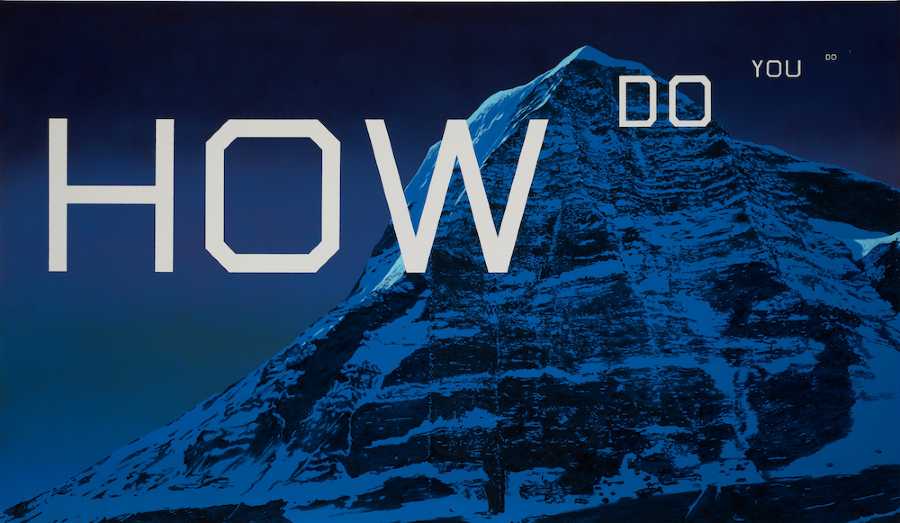
When I think about what makes a work of art truly great, I’m reminded of a quote by Ed Ruscha: “Good art should elicit a response of ‘Huh? Wow!’ as opposed to ‘Wow! Huh?’”
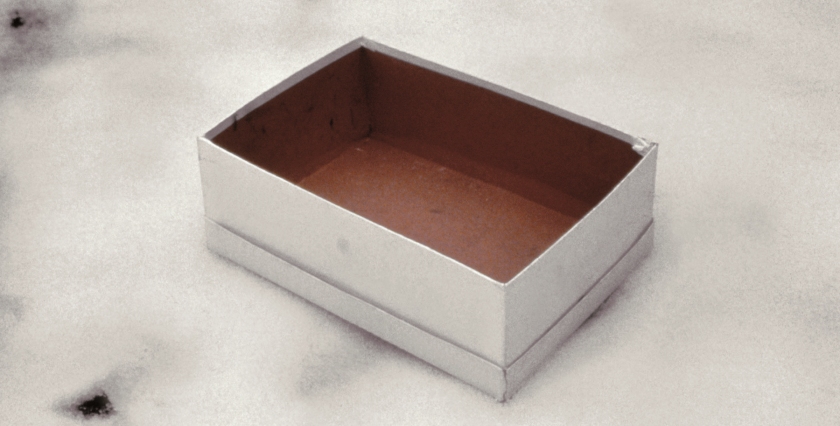
Ruscha is talking about the elusive “wow factor” — and how the art that grabs your attention immediately, with a big reveal or gimmick (“It’s made entirely of cotton swabs!”), often fades just as quickly.
The quick spark
When a piece relies entirely on something like its medium or process, it’s easy to grasp because it’s only about that. Once you get past the fascinating hook, there’s little left to uncover. The work has already given up all its secrets, so there’s no real reason to revisit it.
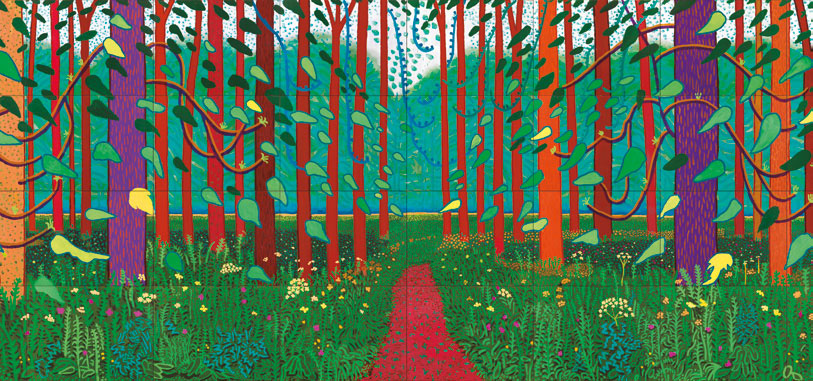
The same can be true for art that’s merely pretty. A beautifully painted landscape might be pleasant and technically sound, but if it doesn’t offer something deeper — something that continues to unfold — it rarely holds your attention over time.
The Quiet Encounter
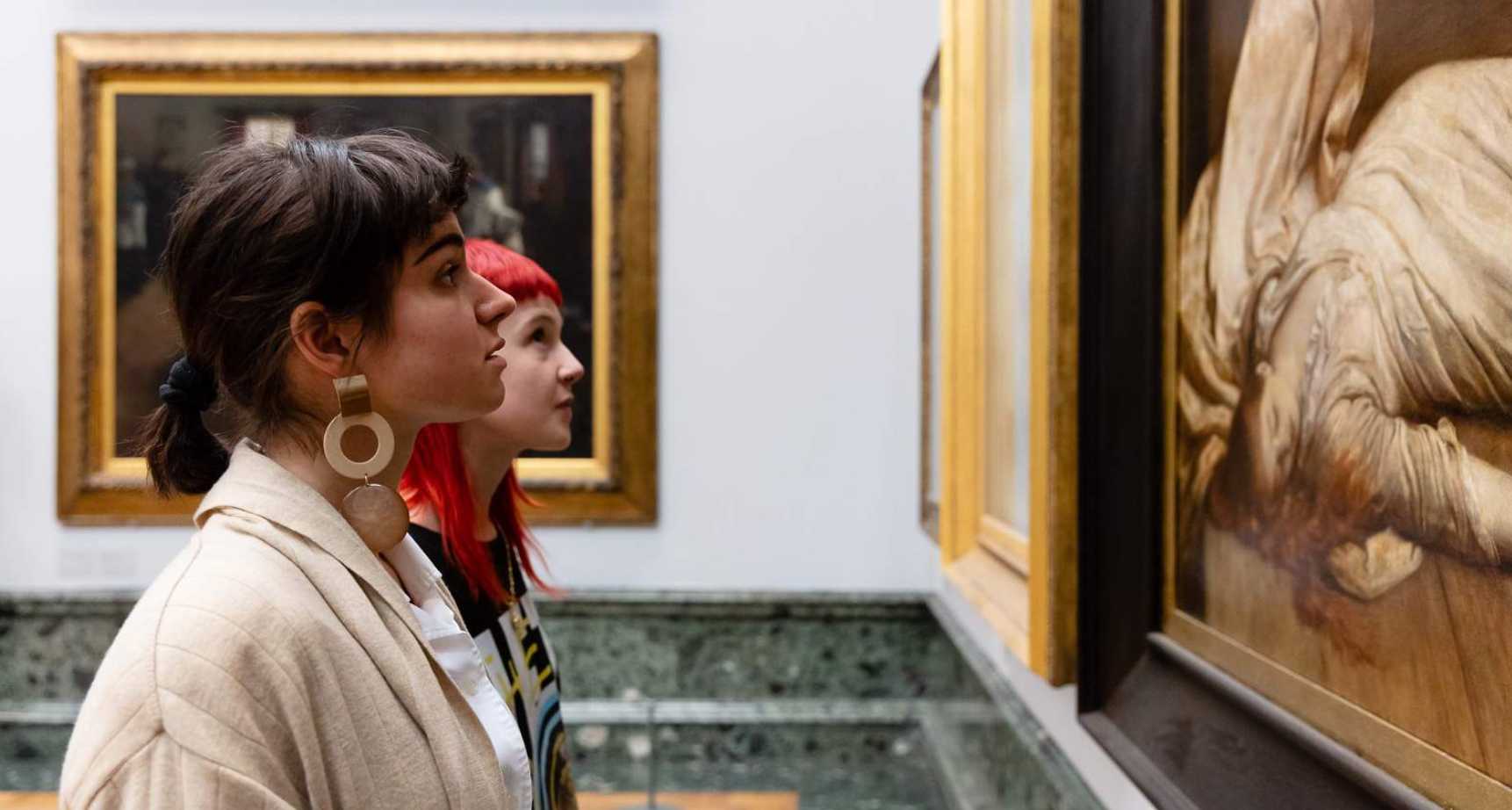
The opposite kind of experience is subtler. You might come across a work that doesn’t immediately pull you in. You pause, tilt your head, and think, Huh? You’re not sure what it’s about, or why it feels different — but you sense there’s something there.
You come back to it later, and suddenly, it begins to open up. That’s where the real wow factor lives: in the discovery. It’s the moment when you realize you’re starting to build a relationship with the piece. You begin to notice subtleties — a shift in tone, a gesture, a small tension between colors or forms. The work starts to speak to you in new ways. You’re not just looking anymore; you’re seeing.
Making a Connection
It’s not unlike a human relationship. You wouldn’t want to date someone with a one-dimensional personality — dazzling at first but exhausting over time. You want depth, mystery, and facets yet to be discovered. You want the slow burn.
In theory, the more challenging the work is at first, the greater the reward. It’s as if your brain is making new connections each time you engage with it — growing, adjusting, and expanding its understanding. This kind of sustained curiosity is where art’s real power lies.
The Moment It Clicks
I’ve experienced this myself many times. Occasionally, it’s a piece I actively dislike at first. I might walk away, unsure why it unsettles me, but something keeps tugging. So, I give it time. I revisit. Days or even weeks later, something shifts — a small click, an internal yes. Suddenly, I see what I couldn’t before, and the work feels transformed.
That’s the “Wow!” moment Ruscha was talking about — the one that lingers, deepens, and stays with you long after the initial encounter.
The Reward of Patience
Some of the best works of art don’t shout for attention; they invite you in slowly, quietly, until you realize you’ve fallen for them completely.
Good art, like a good relationship, doesn’t just happen in an instant. It grows on you — revealing its depth, its contradictions, and its humanity over time. And that, in the end, is what makes it worth coming back to again and again.
Elise Arnoult Miller is a fine art advisor who helps collectors navigate today’s evolving art landscape with insight, clarity, and a sense of discovery.
Learn more at arnoultfineart.com. Instagram: arnoultfineart